
Allowable Expenses for Sole Traders
A practical guide for freelancers and independent professionals
If you're a sole trader, understanding what expenses you can claim is an important part of managing your business finances.
Whether you're a freelancer, therapist, creative professional or independent service provider, allowable expenses reduce your taxable profit — meaning you only pay tax on the profit remaining after legitimate business costs have been deducted.
This guide explains some of the most common allowable expenses for sole traders and highlights areas that are often overlooked.
What is an Allowable Expense
If you're a sole trader, understanding what expenses you can claim is an important part of managing your business finances.
Whether you're a freelancer, musician, therapist, creative professional or independent service provider, allowable expenses reduce your taxable profit — meaning you only pay tax on the profit remaining after legitimate business costs have been deducted.
This guide explains some of the most common allowable expenses for sole traders and highlights areas that are often overlooked.



Equipment and Tools
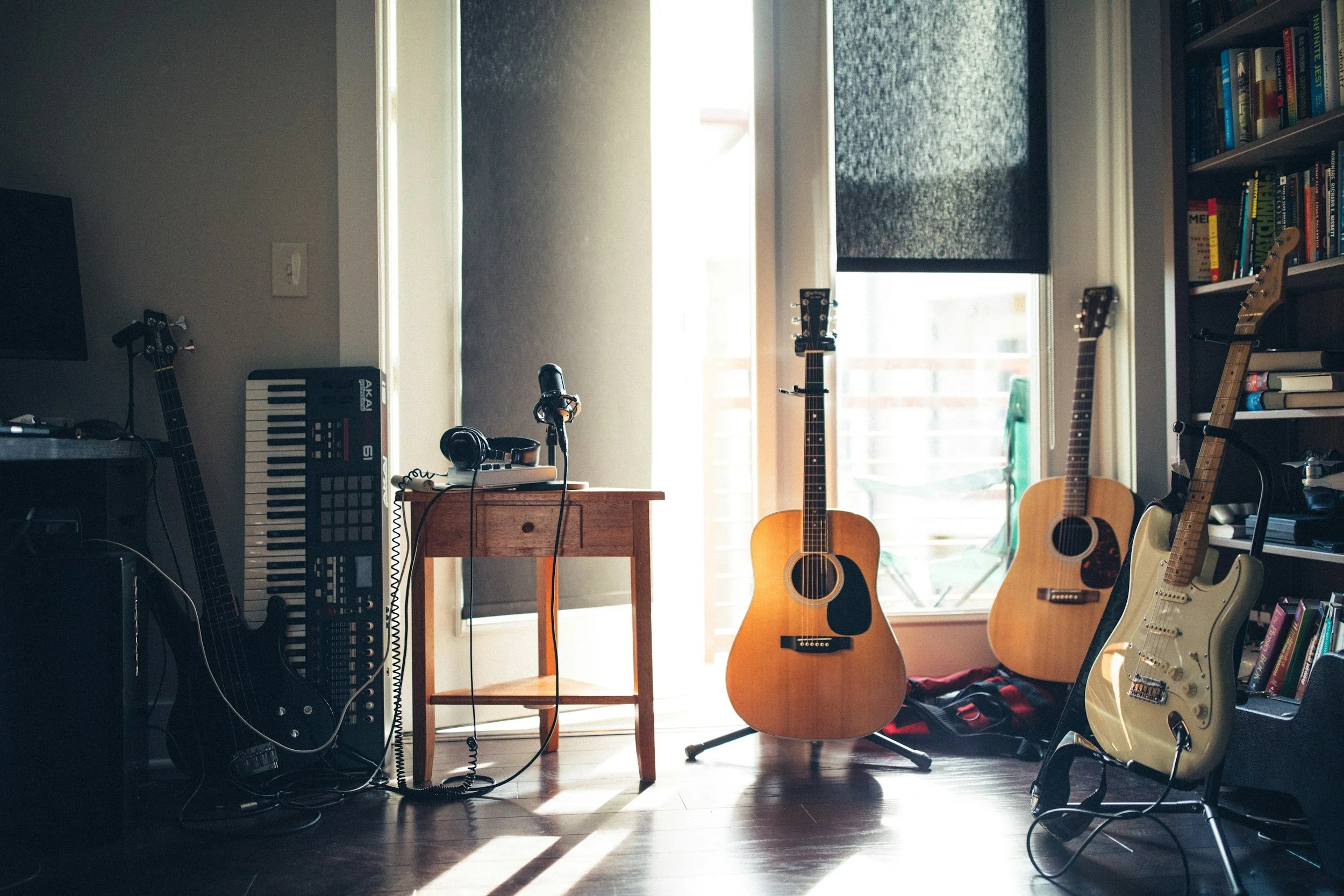
Equipment used in your business may qualify as an allowable expense.
Examples include:
Musical instruments
Cameras
Studio equipment
Therapy equipment
Tools and machinery
The way these items are claimed can depend on the cost and how they are used within the business.
Materials & Supplies
If your work involves producing goods or delivering services, materials and supplies are often allowable expenses.
Examples may include:
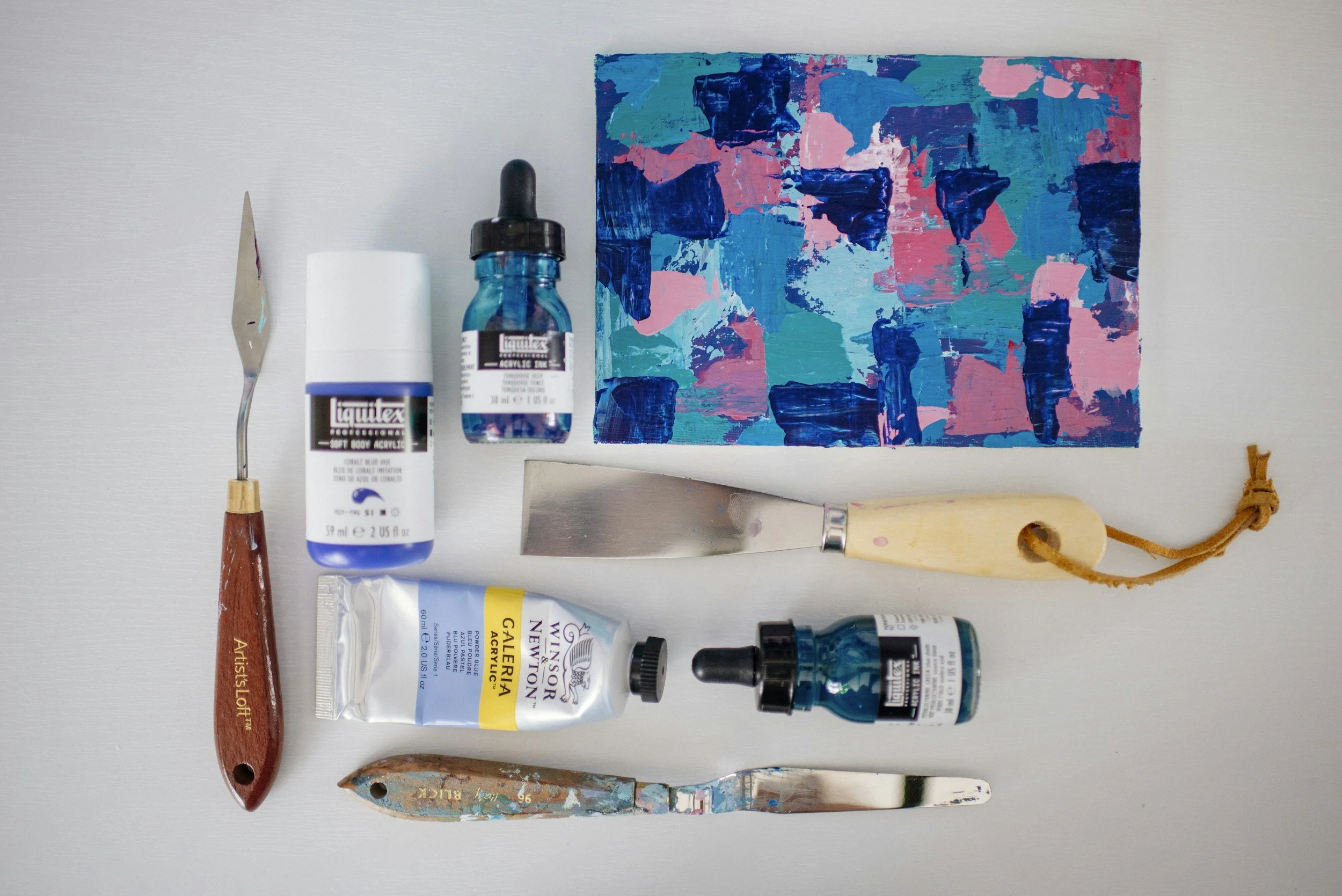
Art materials
Instrument accessories
Printing costs
Consumables
Materials used in client work
These costs are usually straightforward to claim when they are directly related to your business.

Software & Subscriptions
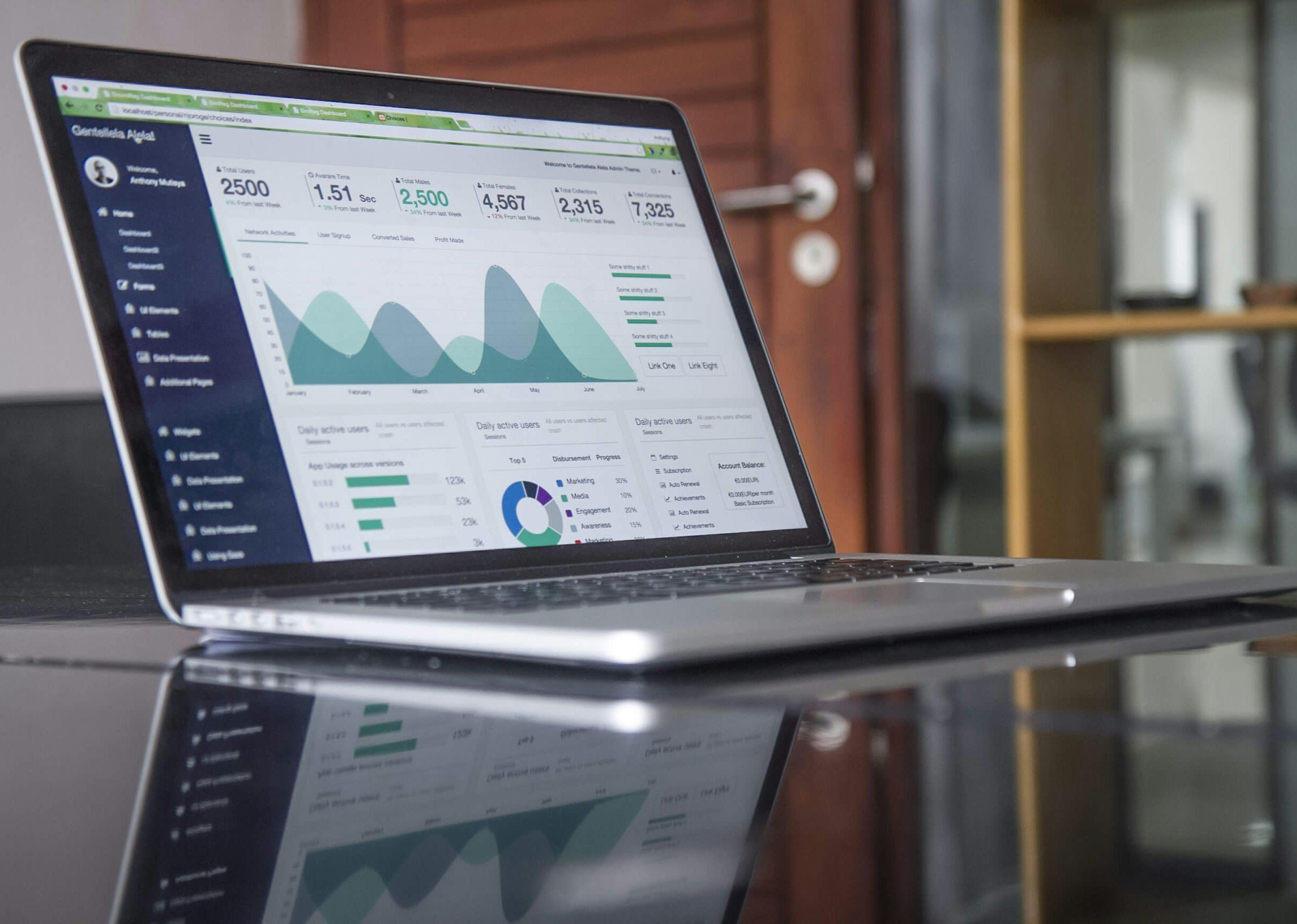
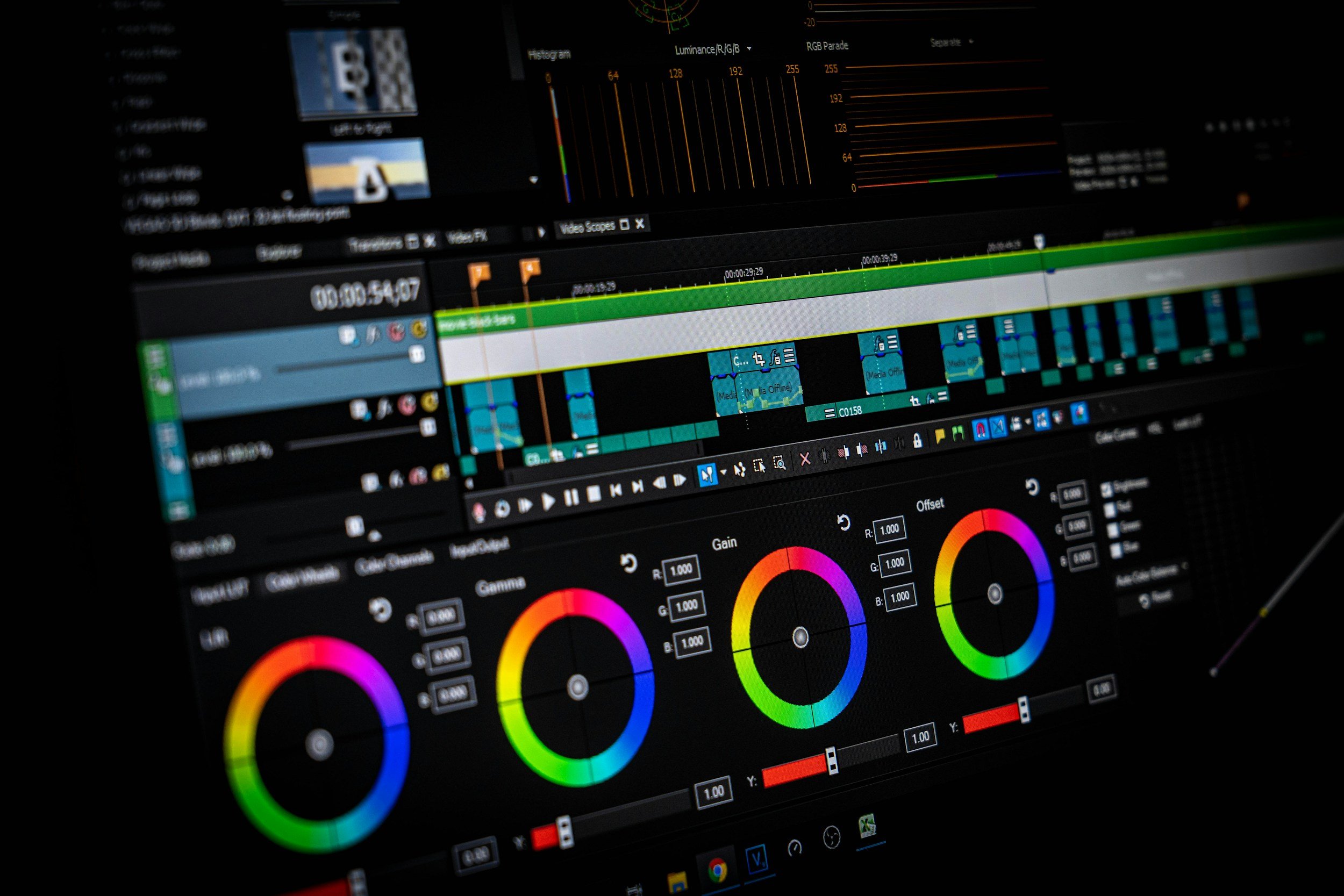
Many businesses rely heavily on digital tools and ongoing subscriptions.
Common examples include:
Design software
Booking systems
Accounting software
Website hosting
Cloud storage
Editing tools
Professional platforms or subscriptions
These smaller recurring costs are often overlooked but can add up significantly over time.
Marketing & Promotion
Promotion is an important part of running a successful sole trader business.
Allowable marketing expenses may include:
Website costs
Online advertising
Branding and design services
Printing promotional materials
Social media advertising
These costs are often essential for attracting and retaining clients.
Professional Fees
Certain professional services used for your business are also usually allowable expenses.
Examples include:
Accounting fees
Legal fees
Professional memberships
Industry subscriptions
These services help support the day-to-day running of your business and ensure compliance.
Travel for Business


Travel costs directly related to business activity are usually allowable.
Examples include:
Travel to client meetings
Business-related journeys
Subsistence costs incurred during business travel
Travel to events or appointments
Travel to temporary work locations
However, travel between home and a regular workplace is not normally allowable, so it’s important to understand the distinction. If the work is habitual in nature, travel costs are not allowable, even if you are paid as a freelancer.
Use of Home Expenses
If you work from home, you may be able to claim a portion of your household costs as business expenses.
If you work from home, you may be able to claim a portion of your household costs as business expenses.
This may include:
Heating
Electricity
Internet
Rent or mortgage interest
Council tax
The amount you can claim depends on how your home is used for business and how often you work from home.
Expenses Sole Traders Often Forget
Some expenses are commonly missed, particularly smaller recurring costs.
These may include:
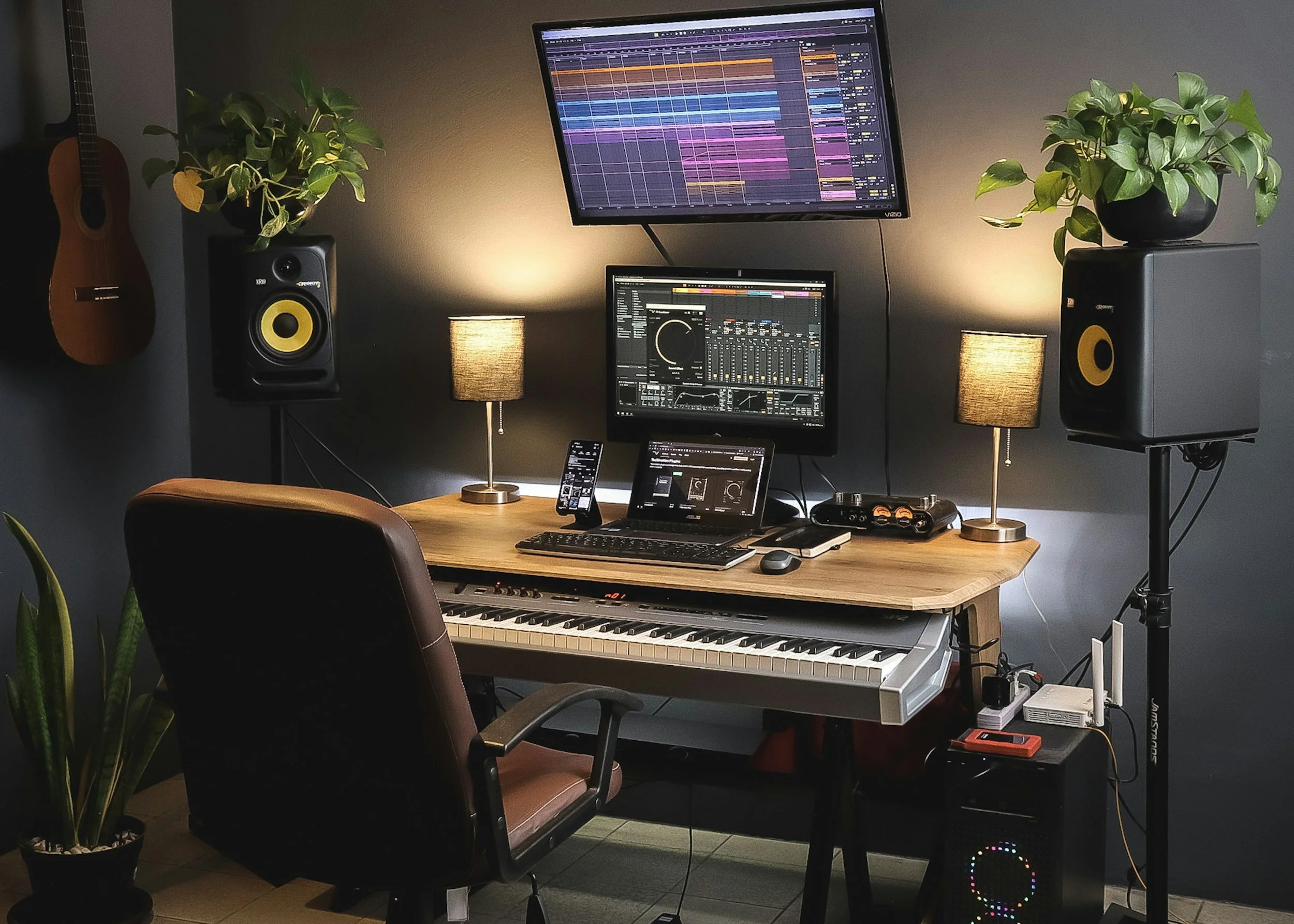
Software subscriptions
Website hosting
Online storage
Domain names
Professional memberships
Small equipment purchases
Training directly related to your work
Keeping track of these costs throughout the year can help ensure nothing is overlooked.
Expenses That Are Not Usually Allowable
Not all costs qualify as business expenses.
Examples that are typically not allowable include:
Personal expenses
Everyday clothing
Personal travel
Fines or penalties
Costs not directly related to your business
If an expense is partly business and partly personal, only the business portion may be claimable.
Keeping Good Records
Keeping clear records of your expenses is just as important as understanding what you can claim.
You should keep:
Receipts
Invoices
Digital copies of expenses
Bank records
Notes explaining business use where necessary
Good record keeping helps ensure your accounts are accurate and makes preparing your tax return much easier.
Final Thoughts
Understanding allowable expenses can help sole traders feel more confident about their finances and ensure their accounts are accurate and organised.
If you're unsure whether an expense qualifies, it’s always better to check before including it.
Happy to help if you have questions.